Best Nootropics for Cognitive Longevity: What Actually Works
Most nootropics are hype. A small number have genuine clinical evidence for protecting and enhancing brain health as you age. Here's the evidence-based shortlist.
Quick Verdict
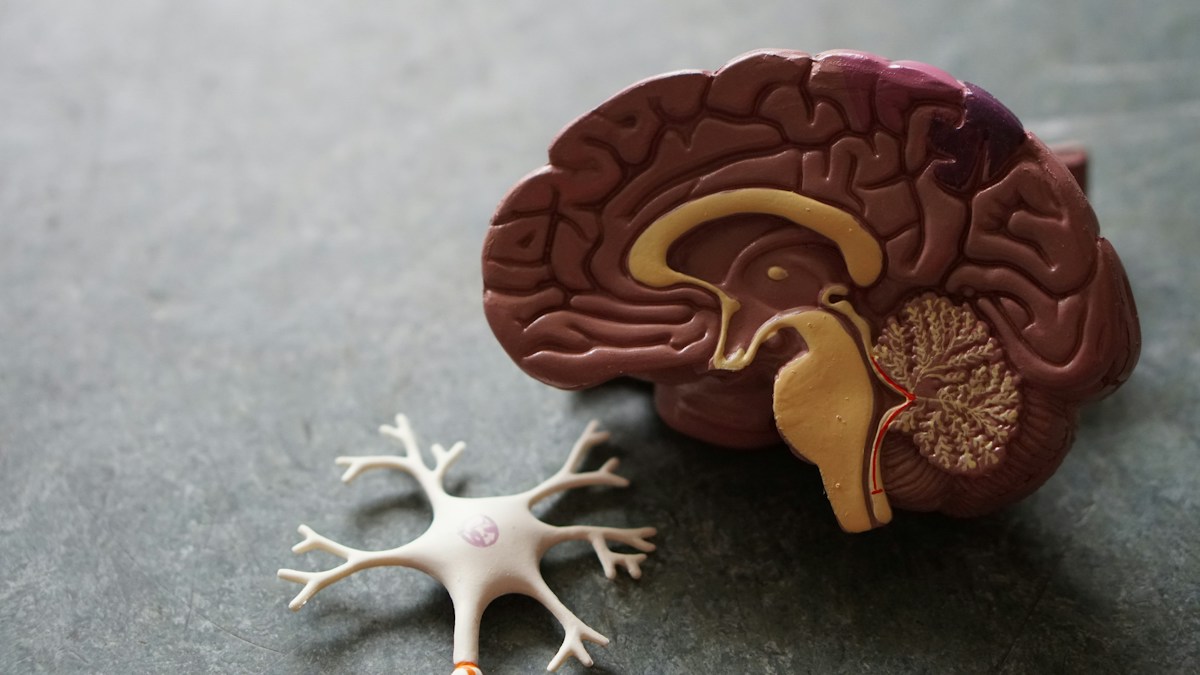
Lion's mane, bacopa monnieri, and phosphatidylserine have the strongest evidence for cognitive protection and enhancement. Creatine and omega-3s (already in a longevity stack for other reasons) provide meaningful cognitive benefits as secondary effects. Skip most branded nootropic blends — you can build a better stack for less.
Top Picks
As an Amazon Associate, Longevity Intel earns from qualifying purchases. We may also earn a commission from other retailer links — at no extra cost to you. Commissions never influence rankings or scores. How we stay independent
Host Defense Lion's Mane
Host Defense (Paul Stamets) · $29.95
Price accurate as of July 2026 — see retailer for current price & availability.
Pros
- Paul Stamets formulation — the leading mycologist
- Fruiting body + mycelium (both NGF-active fractions)
- Organic certified
- 500mg per capsule, 2 caps = 1g daily
- Widely studied formulation
Cons
- Effects take 4–8 weeks to manifest
- Should be taken consistently to maintain benefit
Affiliate link · we may earn a commission
Bacopa Monnieri (Jarrow Formulas)
Jarrow Formulas · $18.95
Price accurate as of July 2026 — see retailer for current price & availability.
Pros
- Standardised to 20% bacosides (active compounds)
- 300mg — standard clinical dose
- Consistent potency
- Affordable for a clinically-studied nootropic
Cons
- Must take with fat for best absorption
- Memory benefits take 8–12 weeks to manifest
Affiliate link · we may earn a commission
NOW Phosphatidylserine 100mg
NOW Foods · $24.99
Price accurate as of July 2026 — see retailer for current price & availability.
Pros
- 100mg per softgel — FDA-qualified health claim dose
- Soy-derived (standard clinical form)
- NSF certified
- Cognitive decline risk reduction — FDA qualified claim
Cons
- Soy-derived (concern for soy-sensitive individuals)
- Sunflower-derived alternative available at higher cost
Affiliate link · we may earn a commission
What Is Cognitive Longevity?
Most nootropic marketing focuses on immediate cognitive enhancement — focus, memory, energy in the next few hours. This is not what cognitive longevity is about.
Cognitive longevity means:
- Maintaining neuroplasticity (the brain's ability to form and reorganise connections) as you age
- Reducing risk of neurodegeneration (Alzheimer's, vascular dementia, Parkinson's)
- Preserving processing speed, working memory, and executive function into your 70s, 80s, and beyond
- Supporting the neurological infrastructure that underlies mood, motivation, and resilience
The compounds that do this best are not the caffeine-and-L-theanine blends sold as "focus supplements." They are compounds with documented effects on nerve growth factor (NGF), neuroplasticity, synaptic density, and neuroprotection — with timescales of weeks to years, not minutes to hours.
The Evidence-Based Shortlist
1. Lion's Mane Mushroom (Hericium erinaceus)
Evidence level: Strong (for NGF stimulation); moderate (human cognitive trials) Dose: 1,000–3,000mg/day of fruiting body extract
Lion's mane is the most credible natural nootropic for long-term cognitive protection. Its active compounds — hericenones (from fruiting body) and erinacines (from mycelium) — are the only known natural compounds that cross the blood-brain barrier and stimulate the synthesis of nerve growth factor (NGF).
NGF is a critical neurotrophic protein that:
- Supports the survival and maintenance of neurons
- Promotes the growth and branching of axons and dendrites
- Is essential for the integrity of the cholinergic system (the neurotransmitter system most damaged in Alzheimer's)
Key human trials:
Mori et al. (2009, Phytotherapy Research): 30 adults with mild cognitive impairment. Lion's mane 3g/day vs placebo for 16 weeks. Significant improvements on cognitive function scores. Scores declined when supplementation was stopped — suggesting an active, ongoing effect.
Saitsu et al. (2019): 31 healthy adults. Lion's mane significantly improved memory and concentration vs placebo.
2023 study (Nutrients): Lion's mane improved reaction time and working memory in young adults within a single dose (a relatively fast-onset finding unusual for this category).
For cognitive longevity: The NGF-stimulating effect, sustained over years, may help maintain synaptic density and neuronal survival — the structural basis of cognitive reserve. This is the mechanism that matters most for dementia prevention.
Best formulation: Fruiting body (contains hericenones) + mycelium (contains erinacines). Many cheap products use only mycelium grown on grain — the grain content dilutes the active compounds. Verify the product specifies both and has a guaranteed analysis.
2. Bacopa Monnieri
Evidence level: Strong — most RCT data of any herbal nootropic Dose: 300mg/day standardised to 20% bacosides
Bacopa is an Ayurvedic herb with the most extensive human clinical trial record of any natural cognitive compound. It works primarily by:
- Increasing synaptic communication in the hippocampus (the brain's primary memory structure)
- Stimulating BDNF (brain-derived neurotrophic factor) — the key protein for neuroplasticity
- Reducing oxidative stress in neural tissue
- Modulating acetylcholine synthesis
Key evidence:
Meta-analysis (Kongkeaw et al., 2014): 9 RCTs, 437 participants. Bacopa significantly improved speed of attention and memory free recall vs placebo. The memory effect was particularly notable in older adults.
Stough et al. (multiple trials): Consistently shows improved working memory, visual processing speed, and learning rate at 300mg/day after 12 weeks.
Important note: Bacopa benefits take 8–12 weeks of consistent use to manifest. Trials showing no effect often used shorter durations. This is not a "felt immediately" compound.
Tolerance: Some people experience GI upset, vivid dreams, or fatigue at higher doses. Start at 150mg and increase to 300mg over 2 weeks. Must be taken with a fat-containing meal for proper absorption.
3. Phosphatidylserine (PS)
Evidence level: Strong — FDA qualified health claim Dose: 100–300mg/day
Phosphatidylserine is a phospholipid that forms a critical part of the cell membrane in neurons. As we age, PS concentrations in brain tissue decline — and this decline correlates with cognitive function.
PS supplementation is one of the very few supplements with an FDA-qualified health claim specifically for cognitive decline risk reduction:
"Consumption of phosphatidylserine may reduce the risk of dementia and cognitive dysfunction in the elderly."
This qualified claim (not a full health claim — the evidence does not yet meet that threshold) is still significant — the FDA rarely approves any cognitive health claims.
Evidence:
- Multiple RCTs in older adults with mild cognitive impairment show improved memory and learning
- Reduces cortisol response to mental stress — important because chronic cortisol elevation is a major driver of hippocampal atrophy
- Improves processing speed and working memory in healthy adults in several trials
Note on sourcing: PS was originally derived from bovine brain (most potent form). Due to BSE concerns, modern supplements use soy or sunflower lecithin. Soy-derived PS works but has slightly lower potency per mg — the standard 300mg dose accounts for this.
4. Creatine (Cognitive Effects)
Evidence level: Moderate-strong Dose: 3–5g/day (same dose as for muscle)
Creatine is primarily known as a muscle supplement. Its cognitive effects are genuinely significant and often overlooked:
- The brain is the second most energy-intensive organ in the body
- Creatine phosphate is a critical emergency ATP buffer in neurons
- Brain creatine levels decline with age
- Supplemental creatine increases brain creatine by 8–10% (measured by MRS imaging)
Evidence for cognitive longevity:
- Short-term: Improves working memory and executive function under sleep deprivation and stress — both common conditions that otherwise impair cognition
- Long-term: Reduces homocysteine (a neurotoxic amino acid when elevated); neuroprotective in traumatic brain injury models
- Ageing: Most pronounced cognitive benefits appear in vegetarians/vegans (who consume no dietary creatine) and older adults (whose brain creatine is depleted)
Practical: If you already take creatine for muscle and metabolic benefits, you are getting the cognitive benefits for free. If you are not taking creatine, cognitive protection is a strong additional reason to start.
5. Omega-3 DHA
Evidence level: Strong for brain health Dose: 2–3g combined EPA+DHA, maximising DHA (target 1g+ DHA/day)
DHA (docosahexaenoic acid) constitutes approximately 30–40% of the fatty acids in grey matter. It is the structural building block of neuronal membranes and is essential for neurotransmission, neuroplasticity, and anti-inflammatory signalling in the brain.
Brain DHA levels decline with ageing and low fish intake. Supplementation increases brain DHA content, measurable by MRS imaging.
Cognitive longevity evidence:
- Alzheimer's prevention: Multiple large observational studies show inverse correlation between fish/omega-3 intake and dementia risk
- Brain volume: Higher DHA levels associated with larger hippocampal volume in older adults
- Depression: Strong meta-analytic evidence for EPA + DHA reducing depressive symptoms — important for cognitive longevity because depression accelerates hippocampal atrophy
- MFAS trial: DHA supplementation improved cognitive function in older adults with mild cognitive impairment
Buy high-DHA fish oil — many standard fish oil products are predominantly EPA. For brain health, prioritise DHA content. Target 1g+ DHA per day.
What Not to Buy
Branded nootropic blends ("smart drugs"): Most contain low doses of multiple ingredients — enough to list on the label, not enough to produce the effects studied in trials. You pay a premium for the blend; the per-ingredient doses are often 30–50% of what studies use.
Racetams (piracetam, aniracetam): Interesting pharmacology, limited modern clinical evidence, regulatory grey area. Not recommended without more data.
Modafinil/armodafinil: Effective for wakefulness but not a longevity tool — no evidence for neuroprotection or dementia prevention, and requires prescription in most countries.
Caffeine as a nootropic: Effective for acute alertness, develops tolerance, and does not contribute to long-term brain health maintenance. Combine with L-theanine (200mg) to smooth the curve and reduce anxiety — but don't count this as your longevity nootropic stack.
The Cognitive Longevity Stack
Core (daily):
- Lion's mane: 1–3g/day
- Bacopa: 300mg/day with fat-containing meal
- Phosphatidylserine: 100–300mg/day
- Creatine: 3–5g/day
- Omega-3 (high DHA): 2–3g EPA+DHA/day
Total cost: ~$80–100/month for all five Total evidence quality: Among the highest available in the nootropic category
Secondary support (already recommended for other longevity reasons):
- Magnesium glycinate: sleep quality (critical for brain waste clearance via glymphatic system)
- Taurine: neuroprotective, GABA modulation
- NMN/NR: mitochondrial function in neurons
The glymphatic system — the brain's waste clearance mechanism that runs during deep sleep — is arguably the most important cognitive longevity factor not captured in any supplement. Optimising sleep, particularly deep sleep (slow-wave sleep), is more impactful than any nootropic. The supplements above work best in a brain that is being adequately cleaned every night.
About the Author
Editorial Team
Collaborative articles researched and maintained by the Longevity Intel editorial team. Medical review is shown only when a named reviewer and review date are recorded for the article.
Continue Reading
Related Articles
10 Best Longevity Supplements 2026, Ranked by Evidence
Best longevity supplements ranked by human evidence: creatine, omega-3, vitamin D, magnesium, NMN, and more — plus how they fit a tiered stack.
Complete Longevity Supplement Stack 2026: What to Take, When, Why
Evidence-ranked longevity supplement stack by tier: vitamin D, magnesium, omega-3, creatine, NMN, and more — with doses, timing, monthly cost, and what to skip.
Best Wearables for Longevity 2026: HRV, Sleep & Metabolic Tracking
Best longevity wearables ranked: WHOOP, Oura, Garmin, and Dexcom Stelo for HRV, sleep staging, recovery, and glucose insights.